How a Water Vapour Fireplace Creates a Realistic Flame Effect Without Wood
A Water Vapour Fireplace creates the impression of flames using fine water mist combined with controlled illumination. Instead of burning logs to produce actual flames, the system lights the moving vapour so that it resembles flickering fire. This technology has become an interesting option for contemporary interior projects in Gurgaon, Haryana and other parts of Delhi NCR.
The effect works because moving mist provides an irregular three-dimensional surface for light. As the vapour rises and shifts, illumination creates changing shapes that visually resemble flames. From suitable viewing angles, the result can provide more depth than a simple flat flame display.
This technology is particularly relevant where the main objective is atmosphere rather than conventional wood combustion.
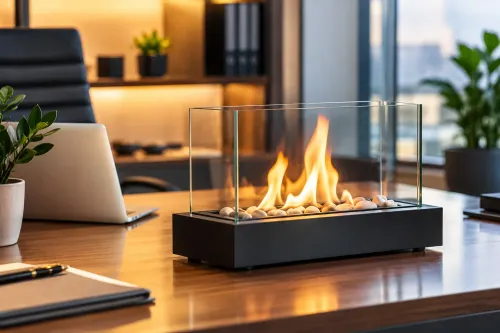
Interior applications can include living rooms, luxury apartments, hotel lounges, restaurant interiors, office reception spaces, villas, and entertainment areas. Designers can also incorporate the system into custom fireplace surrounds where the fireplace becomes an architectural focal point.
One significant distinction is that water vapour technology and room heating should be considered separately. Buyers should never assume that a realistic-looking fireplace automatically functions as a space heater. Features vary by model, so heating requirements need to be checked independently.
Routine operation also differs from that of standard LED-only designs. Because water is involved, owners may need to consider:
- Water reservoir capacity
- Refilling requirements
- Water quality recommendations
- Cleaning of relevant components
- Access for routine maintenance
- Manufacturer operating instructions
The installation environment matters. Before creating a custom wall or mantel around the fireplace, confirm the manufacturer's clearance, ventilation, electrical, and access requirements. This is especially important in premium Gurgaon interiors where fireplace surrounds are often custom-built.
Viewing position should also be tested where possible. The perceived realism of a vapour flame can change with room lighting, viewing angle, surrounding finishes, and the design of the fireplace opening.
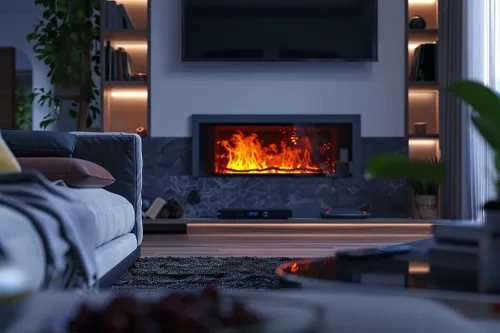
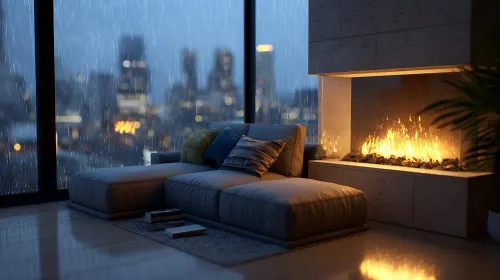
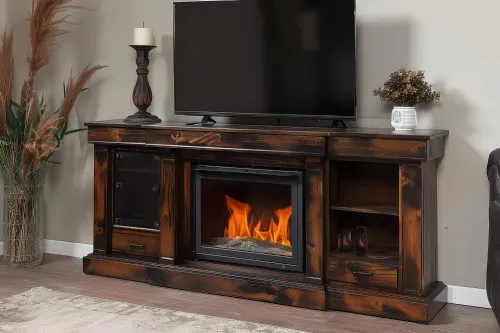
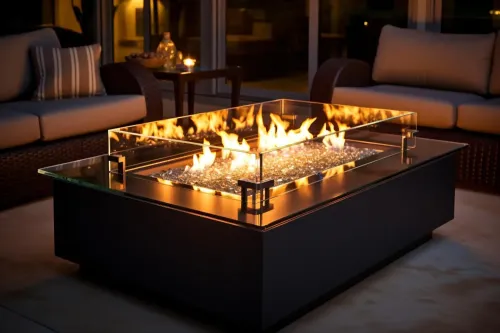
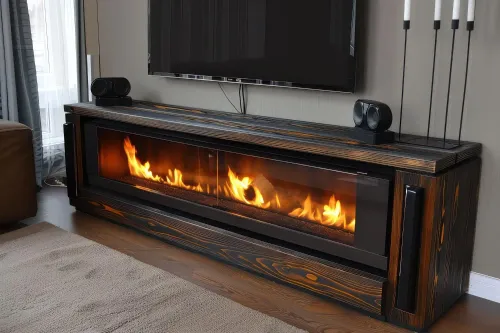
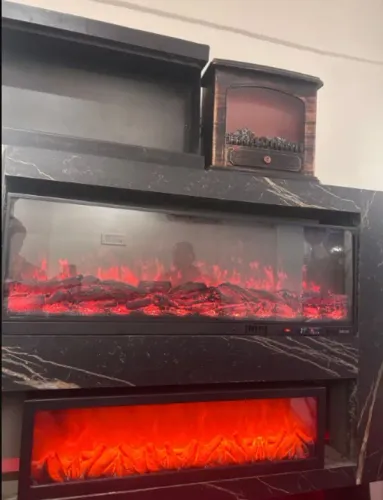
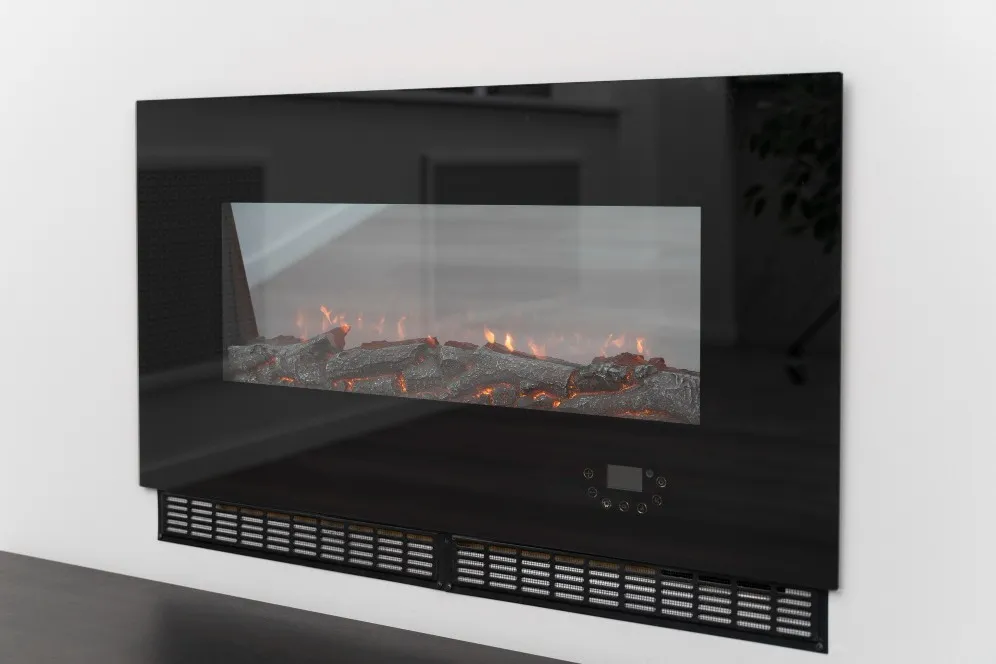
For a contemporary installation, the fireplace may be positioned within a minimal linear structure. For more traditional interiors, a decorative mantel and hearth-style surround can create the appearance of a conventional fireplace without introducing actual burning logs.
Another useful consideration is how frequently the fireplace will operate. A hospitality venue using it for extended periods may have different maintenance priorities from a homeowner switching it on for a few hours in the evening.
Water vapour fireplaces demonstrate how fireplace design has moved beyond conventional combustion. Rather than reproducing every function of a wood fire, they focus strongly on visual experience.
For Gurgaon properties where architects and homeowners want a distinctive flame feature, understanding the technology, installation requirements, maintenance routine, and functional limitations helps determine whether a water vapour system is appropriate for the intended interior.
mist combined with controlled illumination. Instead of burning logs to produce actual flames, the system lights the moving vapour so that it resembles flickering fire. This technology has become an interesting option for contemporary interior projects in Gurgaon, Haryana and other parts of Delhi NCR.
The effect works because moving mist provides an irregular three-dimensional surface for light. As the vapour rises and shifts, illumination creates changing shapes that visually resemble flames. From suitable viewing angles, the result can provide more depth than a simple flat flame display.
This technology is particularly relevant where the main objective is atmosphere rather than conventional wood combustion.
Interior applications can include living rooms, luxury apartments, hotel lounges, restaurant interiors, office reception spaces, villas, and entertainment areas. Designers can also incorporate the system into custom fireplace surrounds where the fireplace becomes an architectural focal point.
One significant distinction is that water vapour technology and room heating should be considered separately. Buyers should never assume that a realistic-looking fireplace automatically functions as a space heater. Features vary by model, so heating requirements need to be checked independently.
Routine operation also differs from that of standard LED-only designs. Because water is involved, owners may need to consider:
- Water reservoir capacity
- Refilling requirements
- Water quality recommendations
- Cleaning of relevant components
- Access for routine maintenance
- Manufacturer operating instructions
The installation environment matters. Before creating a custom wall or mantel around the fireplace, confirm the manufacturer's clearance, ventilation, electrical, and access requirements. This is especially important in premium Gurgaon interiors where fireplace surrounds are often custom-built.
Viewing position should also be tested where possible. The perceived realism of a vapour flame can change with room lighting, viewing angle, surrounding finishes, and the design of the fireplace opening.
For a contemporary installation, the fireplace may be positioned within a minimal linear structure. For more traditional interiors, a decorative mantel and hearth-style surround can create the appearance of a conventional fireplace without introducing actual burning logs.
Another useful consideration is how frequently the fireplace will operate. A hospitality venue using it for extended periods may have different maintenance priorities from a homeowner switching it on for a few hours in the evening.
Water vapour fireplaces demonstrate how fireplace design has moved beyond conventional combustion. Rather than reproducing every function of a wood fire, they focus strongly on visual experience.
For Gurgaon properties where architects and homeowners want a distinctive flame feature, understanding the technology, installation requirements, maintenance routine, and functional limitations helps determine whether a water vapour system is appropriate for the intended interior.
How a Water Vapour Fireplace Creates a Realistic Flame Effect Without Wood
A Water Vapour Fireplace creates the impression of flames using fine water mist combined with controlled illumination. Instead of burning logs to produce actual flames, the system lights the moving vapour so that it resembles flickering fire. This technology has become an interesting option for contemporary interior projects in Gurgaon, Haryana and other parts of Delhi NCR.
The effect works because moving mist provides an irregular three-dimensional surface for light. As the vapour rises and shifts, illumination creates changing shapes that visually resemble flames. From suitable viewing angles, the result can provide more depth than a simple flat flame display.
This technology is particularly relevant where the main objective is atmosphere rather than conventional wood combustion.
Interior applications can include living rooms, luxury apartments, hotel lounges, restaurant interiors, office reception spaces, villas, and entertainment areas. Designers can also incorporate the system into custom fireplace surrounds where the fireplace becomes an architectural focal point.
One significant distinction is that water vapour technology and room heating should be considered separately. Buyers should never assume that a realistic-looking fireplace automatically functions as a space heater. Features vary by model, so heating requirements need to be checked independently.
Routine operation also differs from that of standard LED-only designs. Because water is involved, owners may need to consider:
- Water reservoir capacity
- Refilling requirements
- Water quality recommendations
- Cleaning of relevant components
- Access for routine maintenance
- Manufacturer operating instructions
The installation environment matters. Before creating a custom wall or mantel around the fireplace, confirm the manufacturer's clearance, ventilation, electrical, and access requirements. This is especially important in premium Gurgaon interiors where fireplace surrounds are often custom-built.
Viewing position should also be tested where possible. The perceived realism of a vapour flame can change with room lighting, viewing angle, surrounding finishes, and the design of the fireplace opening.
For a contemporary installation, the fireplace may be positioned within a minimal linear structure. For more traditional interiors, a decorative mantel and hearth-style surround can create the appearance of a conventional fireplace without introducing actual burning logs.
Another useful consideration is how frequently the fireplace will operate. A hospitality venue using it for extended periods may have different maintenance priorities from a homeowner switching it on for a few hours in the evening.
Water vapour fireplaces demonstrate how fireplace design has moved beyond conventional combustion. Rather than reproducing every function of a wood fire, they focus strongly on visual experience.
For Gurgaon properties where architects and homeowners want a distinctive flame feature, understanding the technology, installation requirements, maintenance routine, and functional limitations helps determine whether a water vapour system is appropriate for the intended interior.
Keywords